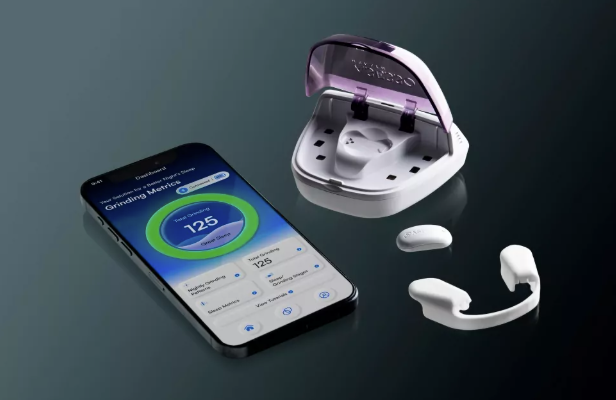

In 2026, wearables blur the line between health data and daily utility, prioritizing context-aware sensors, durable materials, and privacy-by-design. Devices integrate seamlessly with open ecosystems, offering transparent consent and interoperable data that respect user choice. The trend moves away from gimmicks toward meaningful, real-time biometric insight and lasting battery life. This shift raises questions about value, sustainability, and how to balance convenience with ethical use as products evolve. What will matter most next remains open to interpretation.
What Makes 2026 Wearables Stand Out
The year 2026 marks a pivot from feature-driven novelty to integrated, context-aware wearables that prioritize seamless health, productivity, and environmental sensing.
In this climate, new materials enable lighter devices with longer lifespans, while battery breakthroughs sustain continuous functionality.
Wearable fashion integrates function and style, and health data ethics governs data use, ensuring transparent consent and reliable privacy safeguards for users seeking freedom.
Fitness-Oriented Wearables You’ll Actually Use
Fitness-oriented wearables in 2026 prioritize practical utility over novelty, delivering accurate, real-time metrics that integrate seamlessly with daily routines and health data ecosystems.
The trend centers on measurable fitness metrics, robust biometric accuracy, and battery optimization, ensuring devices sustain ongoing use.
Emphasis is on lifestyle integration, modular sensors, and data interoperability, enabling freedom-driven users to monitor wellness with minimal friction.
Everyday Assistants: Smartwatches and Beyond for Daily Life
Across daily routines, smartwatches and related devices shift from mere fitness gauges to multifunctional assistants that streamline tasks, replace several single-use gadgets, and harmonize with broader digital ecosystems.
The trend emphasizes smartwatch customization and streamlined workflows, reinforcing independence while reducing subscription clutter.
Wearable durability remains essential as devices endure daily wear, guiding mainstream adoption toward reliable, adaptive assistance rather than novelty.
How to Pick Your 2026 Wearable: Budget, Battery, and Biometric Focus
As consumers weigh 2026 wearables, budget, battery life, and biometric capabilities emerge as decisive filters for value and longevity.
Decision-making centers on budget considerations, anticipated use, and ecosystem openness, while battery longevity defines daily practicality and long-term return.
Biometric reliability then validates investment, ensuring health data relevance.
The result favors devices balancing cost, endurance, and meaningful biometric clarity for freedom-minded users.
See also:Best Tools for Entrepreneurs
Frequently Asked Questions
Do Wearables Respect Privacy and Data Security in 2026?
Yes, wearables in 2026 show ongoing privacy risks and debated data ownership, as vendors balance convenience with controls; regulators push stricter standards, while users seek transparency and autonomy to safeguard personal information amid evolving ecosystems.
Which Wearables Support Offline Health Data Syncing?
Certain wearables support offline syncing, enabling local data storage and transfer without cloud reliance, though implementations vary; key models emphasize user-controlled data ownership, transparent permissions, and robust encryption, reflecting ongoing trend toward autonomous health data management and personal sovereignty.
Are Non-Watch Wearables Worth the Upgrade This Year?
A recent 38% uptick in niche health metrics signals potential, but non-watch wearables present diminishing returns; first idea centers on integration limits, second idea on battery life trade-offs. They offer freedom, yet upgrade value remains context-dependent for users.
How Often Do Wearables Need Software Updates?
Update cadence for wearables varies by model, but ongoing, incremental updates are common to address security implications and feature refinements. Regular updates, often quarterly or biannually, balance stability with evolving protections, enabling users to maintain autonomy and trust.
Can Wearables Replace Medical-Grade Devices for Daily Monitoring?
Approximately 60% of daily-wearables approach medical-grade data quality, yet cannot replace devices for formal diagnoses; they can aid monitoring if medical accuracy is maintained and data interoperability is ensured for clinician integration.
Conclusion
In 2026, wearables prioritize privacy, context, and sustainability, delivering accurate biometrics, enduring batteries, and versatile sensing. They harmonize fitness, health, and daily tasks within open ecosystems, emphasizing consent and interoperability. These devices transition from novelty to necessity, shaping routines, wardrobes, and wellbeing strategies. They reward transparency, ethical data use, and durable design, guiding users toward informed choices. Ultimately, the era rewards value, resilience, and meaningful insights over gimmicks, delivering consistently useful companions aligned with personal goals and planetary stewardship.