
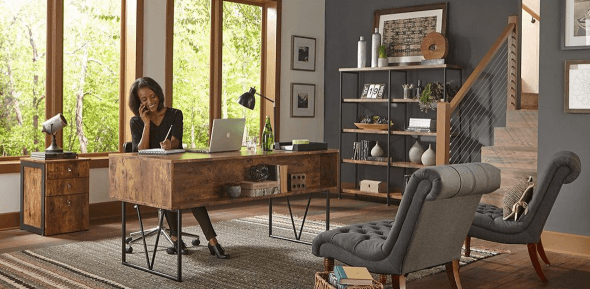

A thoughtful home office begins with the desk’s stance—facing a clear line of sight, away from distractions. The chair supports long sessions, elbows at desk height, hands ready. Frequently used items sit within easy reach, while storage zones hold bills, supplies, and files with calm order. Soft textures temper the space, lighting adjusts to tasks, and cables vanish into simple runs. The layout invites quiet rhythm, yet leaves questions about where to start next.
How to Choose the Right Desk Orientation for Focus
Choosing the right desk orientation for focus hinges on how sightlines, sound, and task friction intersect in the workspace. The arrangement reveals desk orientation as a tactile framework, guiding attention with deliberate restraint. In pursuit of freedom, focus clarity emerges when sightlines frame tasks, sound buffers temper interruptions, and surface alignment minimizes friction, enabling intentional, uninterrupted work.
Smart Storage Layouts to Cut Clutter and Save Space
Smart storage layouts translate clutter into defined zones, a tactile map where every container, shelf, and drawer earns its place. They foster uncluttered momentum, guiding hands to essential objects through thoughtful placement.
Smart storage cultivates clutter control without rigidity, prioritizing space optimization and flexible rhythms. Organization systems become intuitive ecosystems, aligning tools with need, enhancing breathing room, and preserving freedom within a disciplined, serene workspace.
Zoning Your Home Office for Work, Breaks, and Sleep
Zoning a home office into work, breaks, and sleep creates a physical map of rhythm, where each zone delineates its purpose with material clarity.
The layout defines focus zones through distinct textures and placement, guiding attention without coercion.
Sleep comfort emerges from softer surfaces and subdued lighting, while break areas invite breath and pause, preserving freedom within deliberate spatial boundaries.
Practical Setup Tweaks That Boost Comfort and Productivity
Practical setup tweaks that boost comfort and productivity revolve around subtle, tangible adjustments rather than sweeping renovations. Focus ergonomics emerges through chair height, keyboard distance, and monitor alignment, creating a balanced spine posture.
Peripheral placement matters: frequent-use items within easy reach reduce strain. Cable management clears visual clutter, freeing mental space and ensuring smoother workflow. Small, purposeful changes cultivate mover-friendly, freedom-focused work rhythms.
Frequently Asked Questions
How Much Lighting Is Ideal for a Home Office Workspace?
A balanced approach favors diverse lighting: lighting levels in different rooms guide contrasts, while task lighting placement concentrates on work zones. The design feels conceptual and tactile, offering freedom in adjustment, diffusion, and personal rhythm for sustained clarity.
What Color Schemes Reduce Eye Strain and Boost Focus?
Blue luminance and soft contrast reduce eye strain and boost focus; studies show 20% lower visual fatigue with cooler schemes. The color field feels conceptual and tactile, offering freedom, while the palette remains restrained, balanced, and quietly energizing.
Are Standing Desks Worth the Investment for Long Days?
A standing desk is worth it for many, as it supports movement and posture over long days; standing desk benefits include reduced fatigue and heightened awareness, while long term value emerges through adaptable workflow, comfort, and personal rhythm.
See also: The History of Bitcoin and Crypto
How Can You Optimize Cable Management Without Visible Clutter?
Like a quiet orchestra, cable management achieves balance through panel organization and clever cord concealment. It untangles workflows, revealing a tactile, breathable surface where lines disappear, granting freedom while maintaining a disciplined, intentional workspace.
What Ergonomic Chair Features Truly Improve Daily Comfort?
Ergonomic chair features prioritize lumbar support, adjustable armrests, seat depth, and back tilt, enhancing daily comfort. The design speaks in tactile, liberated terms—soft leather, responsive foam, smooth adjustments—empowering users to move freely while sustaining posture.
Conclusion
In a quiet orbit of desks and light, the room becomes a shoreline where tasks wash in and rest laps ashore. The chair, a measured spine; the desk, a horizon line guiding breath. Files, cords, and soft textures settle into their tidal zones, like pebbles found along a familiar beach. The layout, an unseen map, hints at a calm current—where focus deepens, yet gently releases, inviting the mind to wander and return, renewed.
