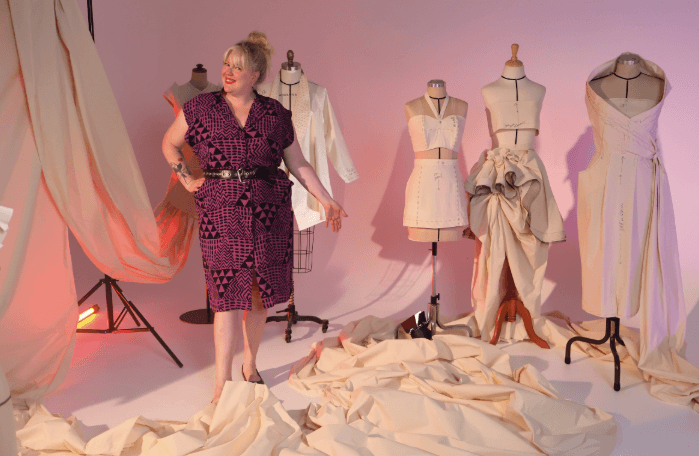

Costume designers shape fashion by translating cinematic silhouettes into wearable trends. Their choices of fabric, drape, and detailing reveal cultural shifts and influence runway storytelling. Through iconic collaborations, they extend beyond garments to choreograph movement and branding. The result is a dialogue between illusion and reality, where archival textures and signature techniques echo in today’s silhouettes. The legacy endures in street style and mass-market lines, urging a closer look at how spectacle informs substance.
How Costume Design Shaped Fashion History
Costume design has long acted as both reflection and catalyst of fashion history, revealing how clothing communicates identity, status, and aesthetics across eras.
The analysis traces how historical silhouette shifts paralleled social change, while textile innovation enabled new textures and drape.
Iconic Designers Who Crossed Into Runway Style
Iconic designers who crossed into runway style reshaped the dialogue between fashion design and presentation, demonstrating how creator vision can extend beyond garments to influence show choreography, branding, and consumer perception.
This analysis situates crossovers as evaluative experiments: Theatrical silhouettes and Fabric storytelling reveal how designers redefined backstage authority, aligning collection narratives with performance dynamics, audience engagement, and cultural resonance.
Signature Techniques That Still Influence Modern Gowns
The exploration of how signature techniques persist in modern gowns follows from examining designers who blurred lines between concept and runway spectacle, showing that foundational craft remains visible even as aesthetics evolve.
This analysis identifies enduring methods (bodice drapery, boning, hand-finishing) as proof that signature techniques shape silhouette, texture, and movement, anchoring contemporary fashion within historic practice of costume, craft, and performance.
modern gowns endure.
From Screen to Street: How Costume Legacies Live On
From screen to street, the legacies of costume design migrate beyond the frame to inform everyday style, revealing how cinematic innovations translate into durable sartorial language. Analysts trace how cinematic silhouettes translate to mass-market silhouettes, while archival fabrics provide authentic texture and longevity.
The cross-pollination demonstrates historical continuity, where reference points anchor contemporary collections, offering measurable influence rather than ephemeral trendiness within cultural memory.
Frequently Asked Questions
How Did Costume Design Influence Menswear Silhouettes Over Decades?
The influence on menswear silhouette evolution arose from designers reinterpreting proportion and line, emphasizing broader shoulders and tapered waists; fabric innovation enabled structure and drape, enabling dramatic silhouette shifts while maintaining practicality, evidence suggesting iterative cycles across decades.
See also: The History of Bitcoin and Crypto
Which Era’s Backstage Secrecy Shaped Its Fashion Storytelling?
Metonymy frames the answer: the era backstage secrecy shaped its fashion storytelling, with backstage secrecy storytelling guiding narratives as designers cultivate hidden cues. The era backstage influenced presentation, context, and reception, anchoring observed silhouettes in concealed, evidence-based creative processes.
Are There Over-Looked Designers Who Bridged Film and Streetwear?
Yes, there are overlooked designers who bridged film and streetwear, demonstrating cinematic tailoring and backstage hybrids that merge narrative technique with wearable culture, evidenced by cross-disciplinary collaborations and stylistic templates adopted beyond conventional studios.
How Do Production Budgets Affect Costume Innovation and Risk?
Production budgets constrain or enable costume innovation by shaping material choices, risk tolerance, and timelines; larger funds often foster experimental design, while smaller budgets necessitate resourceful solutions, modular concepts, and iterative refinement, revealing a nuanced, context-dependent relationship.
What Unseen Collaborations Changed Costume Aesthetics Across Genres?
Unseen partnerships quietly redefine aesthetics, as genre crossovers blend silhouettes and textures across eras. Analytical observers note collaborations behind scenes—costume houses, prop departments, and directors shaping visual language beyond credits, evidencing cultural exchange, experimentation, and liberated storytelling.
Conclusion
Costume designers loom as quiet architects of fashion history, translating cinematic rhetoric into wearable truth. Their innovations—structural bodices, kinetic skirts, and fabric alchemy—persist as evidence, not novelty, shaping designers’ choices and consumer desire alike. By threading archival texture into modern silhouettes, they anchor contemporary trends in a broader cultural dialogue. The lineage is dialogic: screen-informed techniques become street-ready motifs, and showroom narratives echo screen narratives, ensuring that the artistry of costume remains a persistent undercurrent in fashion’s evolving story.